
Free Vet Services for Low Income Pet Owners
Free vet services for low income pet owners are available through nonprofit organizations, voucher programs, and some veterinary clinics. These may include free or low-cost spay/neuter, vaccinations, and emergency care.
Free and Low-Cost Vet Services for Low-Income Pet Owners: What's Available
When money is tight, caring for a pet can feel overwhelming. But you have more options than you might think. Across the country—and right here in La Mesa—there are programs and clinics designed to help low-income pet owners afford essential veterinary care. These range from completely free services to sliding-scale fees based on your income.
Free vet care is typically offered by nonprofit organizations, animal shelters, and charitable foundations. Some provide free wellness exams, vaccinations, or even spay/neuter surgeries for qualifying individuals. Others focus on emergency care or chronic conditions. The key is knowing where to look and what each program covers.
Low-cost veterinary services are more common and often come from community clinics, mobile vet units, or private practices that offer discounted rates. These may include reduced-fee exams, vaccinations, dental cleanings, and preventive care like parasite prevention and deworming. Some clinics also partner with local governments to offer subsidized services for residents.
Financial assistance isn't limited to medical care either. Many organizations run pet food banks, supply giveaways, and even temporary boarding for pets whose owners are facing housing crises. The goal is to keep pets with their families, not just treat them when they're sick.
If you're searching for "free vet services for low income near me," start by contacting local shelters, humane societies, and rescue groups. They often know about programs you wouldn't find online. Also, ask your regular vet—like our team at The Pet Hospital of La Mesa—if they offer payment plans or know of local resources. You might be surprised by what's available.
For a broader look at what's out there, the ASPCA maintains a list of financial assistance programs for pet owners. It's a great starting point for understanding the landscape.


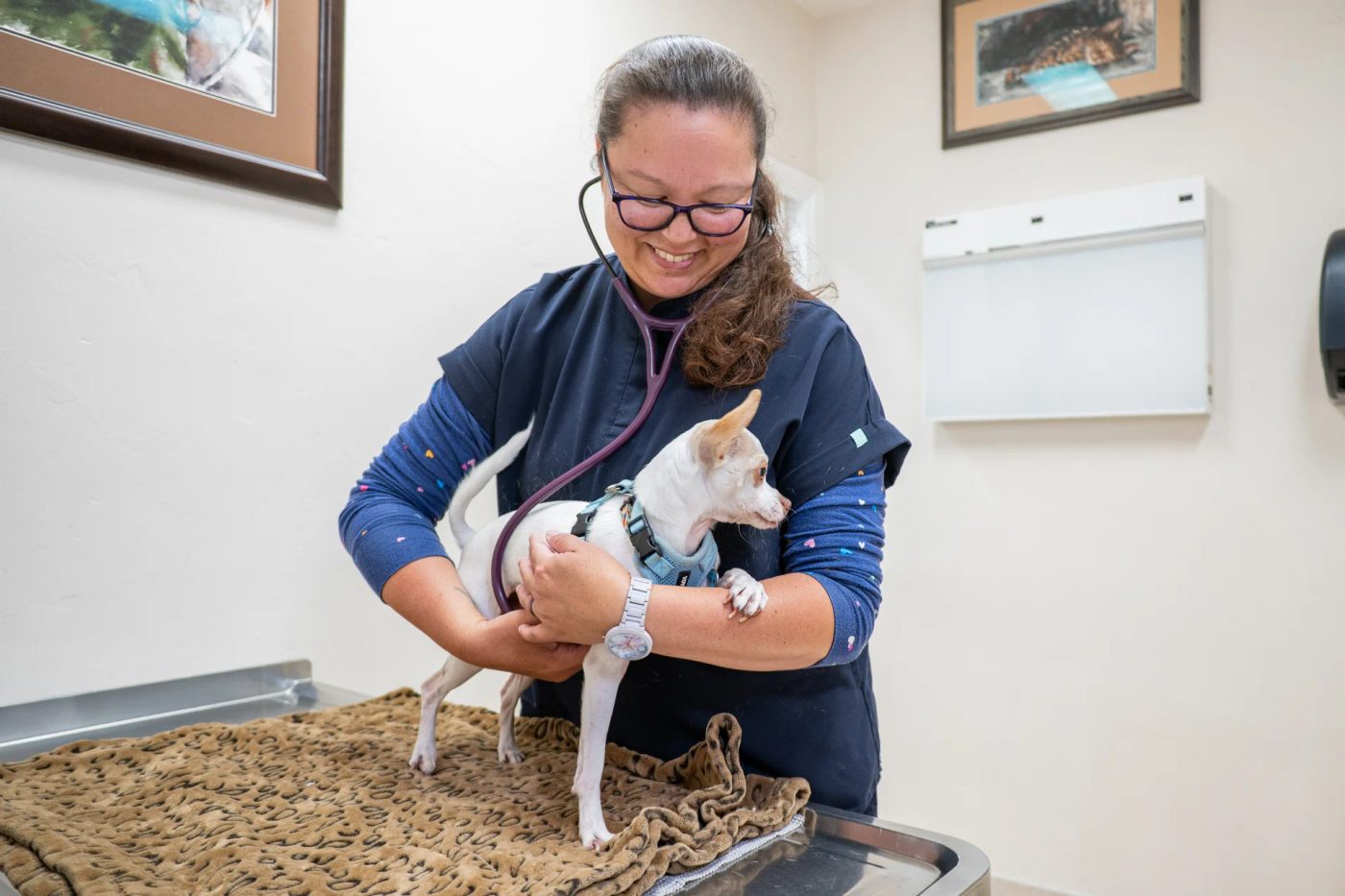
Beyond Free Care: Payment Plans, Loans, and Other Ways to Afford Vet Bills
| Factor | Why It Matters | Typical Range (varies) |
|---|---|---|
| Payment plans | Many vets offer in-house payment plans for regular clients, spreading costs over weeks or months. | No interest; terms vary by clinic |
| CareCredit | A health and wellness credit card that can be used for vet expenses, often with promotional financing. | APR varies; 0% options for 6–24 months |
| Scratchpay | A pet-specific financing option that offers installment loans with fixed payments. | APR varies; terms from 3–36 months |
| Pet insurance | Investing early in a policy can cover unexpected emergencies and routine care. | $20–$60/month depending on coverage |
| Nonprofit grants | Organizations like RedRover Relief and Shakespeare Animal Fund provide direct financial aid. | Grants vary; typically $100–$500 |
If you don't qualify for free services, these options can make vet care manageable. Always ask your vet about payment plans before declining treatment. For example, at The Pet Hospital of La Mesa, we work with clients to find solutions that fit their budget.
More Than Vet Care: Free Pet Food, Supplies, and Other Assistance Programs
Beyond medical care, low-income pet owners can access free pet food, supplies, and other resources. PAWS/LA offers a pet food bank and supply assistance for residents in need. Local humane societies often run similar programs, providing food, leashes, collars, and even temporary boarding during emergencies.
For feral and community cats, trap-neuter-return (TNR) programs are often free or low-cost, helping control the population humanely. Some organizations also offer free or discounted grooming, flea prevention, and deworming. Check with your local animal shelter or rescue group for a list of available services. In La Mesa, nearby resources like the Humane Society of the United States can point you to regional programs.
Do You Qualify? Income Guidelines and Documents Needed for Free Vet Care
Qualifying for free or discounted vet care usually depends on your income, residency, and the specific program's rules. Here's what you typically need to show:
- Proof of income – Recent pay stubs, tax returns, or a letter from an employer showing your household income.
- Proof of residency – A utility bill, lease agreement, or government-issued ID with your current address.
- Government assistance documentation – If you receive Medicaid, SNAP, or other public benefits, bring that documentation—it often fast-tracks eligibility.
- Pet ownership proof – Some programs require proof that you own the pet, like adoption papers or a vet record.
- Number of pets in your household – Some programs limit how many pets per household can receive assistance.
Income thresholds vary by program and location. Some use the federal poverty level, while others have their own guidelines. It's best to call ahead and ask what documentation they need.
Synchrony Financial
Synchrony Financial is a consumer financial services company that offers credit products, including the CareCredit credit card, which is widely used for veterinary expenses. Through its online bank, Synchrony Bank, it provides promotional financing and installment loans to help pet owners manage unexpected medical costs. For low-income pet owners, CareCredit can be a useful tool to cover emergency vet bills when free services are unavailable, though it requires credit approval and responsible repayment.
Directions to our veterinarian in La Mesa from Platt College
Start at Platt College and head to The Pet Hospital of La Mesa at 5336 Jackson Dr, La Mesa, CA 91942.
How to Apply for Free or Discounted Vet Care: Step-by-Step
- Research programs – Look for local nonprofits, shelters, and government-funded clinics that offer assistance for low-income pet owners.
- Check eligibility – Review each program's income limits, residency requirements, and any pet-related criteria.
- Gather documents – Collect proof of income, residency, and any government assistance you receive.
- Contact the program – Call or email to confirm they're accepting applications and ask about waitlists.
- Submit your application – Follow their instructions carefully, and keep copies of everything.
- Follow up – If you don't hear back, check in. Some programs have long waitlists, so persistence helps.
Find Free and Low-Cost Spay/Neuter Clinics Near You
| Factor | Why It Matters | Typical Range (varies) |
|---|---|---|
| Clinic type | Nonprofit clinics often offer the lowest prices; mobile clinics may be free for low-income areas. | $0–$50 for low-income programs |
| Voucher programs | Some counties provide spay/neuter vouchers that reduce or cover the cost. | $0–$75 voucher value |
| Waitlist | Free clinics often have long waitlists; plan ahead. | Weeks to months |
| Species and size | Spay/neuter for rabbits or large dogs may cost more than for cats. | Varies |
To find a free or low-cost spay/neuter clinic near La Mesa, contact the SPCA or Humane Society of the United States. They often have mobile units and voucher programs for income-qualified residents. Call ahead to confirm eligibility and what to bring.
Emergency Vet Care When You Can't Afford It: Immediate Help Options
- Call the clinic first: Explain your situation. Many vets, including The Pet Hospital of La Mesa, offer emergency care and can discuss payment options, including payment plans or sliding-scale fees.
- Apply for emergency grants: Organizations like RedRover Relief and the Shakespeare Animal Fund provide grants for urgent care. Apply online or call their hotline.
- Ask about charity care: Some veterinary hospitals have a fund for low-income clients. Inquire if they can reduce the bill or offer a discount.
- Consider CareCredit: If you have a credit card or can apply, CareCredit offers promotional financing for emergencies.
- Contact local shelters: Shelters sometimes provide emergency medical assistance or can refer you to low-cost options.
If your pet is in immediate danger, don't wait. Seek emergency care first, then worry about payment. Many vets will treat your pet and work out a plan afterward.
Low-Cost Vaccination Clinics: Protect Your Pet Without Breaking the Bank
| Factor | Why It Matters | Typical Range (varies) |
|---|---|---|
| Clinic type | Nonprofit and mobile clinics offer the lowest prices; some are free for low-income. | $0–$20 per vaccine |
| Vaccine type | Core vaccines (rabies, distemper) are often cheaper than non-core (kennel cough, Lyme). | $10–$30 each |
| Location | Clinics in low-income areas may offer sliding-scale fees or free events. | Varies |
| Frequency | Annual vaccines are standard; some programs offer multi-year protection for a higher upfront cost. | $30–$100 for a package |
To find low-cost vaccination clinics near La Mesa, check with the SPCA or local animal shelters. Many host weekend clinics at places like Grossmont Center. At The Pet Hospital of La Mesa, we offer affordable vaccination packages for dogs and cats. Call us for current pricing.
Also asked as
- How to get free vet care for low income families
- Free pet assistance for low income near me
- Low cost veterinary services for low income
Frequently asked questions
What can I do if my cat needs surgery but I can't afford it?
Contact nonprofit organizations like RedRover Relief or the Shakespeare Animal Fund, which offer grants for emergency surgeries. Also, ask your vet about payment plans or CareCredit. Some veterinary schools offer low-cost surgeries performed by students under supervision.
What happens if I can't afford to treat my dog?
If you can't afford treatment, talk to your vet immediately. They may offer a payment plan, discount, or refer you to a low-cost clinic. You can also apply for financial assistance from organizations like the Onyx & Breezy Foundation or RedRover Relief.
What's the cheapest place to get my cat neutered?
Low-cost spay/neuter clinics run by the SPCA or Humane Society often offer the cheapest rates, sometimes free for low-income owners. Voucher programs may also reduce the cost. Check with local shelters in San Diego County.
Can I get EBT for my dog?
No, EBT (food stamps) cannot be used to buy pet food or pay for vet care. However, some pet food banks accept EBT for human food, but not for pet supplies. Look for free pet food programs through PAWS/LA or local humane societies.
Will a vet treat my dog if I have no money?
Many vets will provide emergency care to stabilize your pet and then discuss payment options. Some clinics have charity funds or can connect you with financial assistance. Always explain your situation upfront; most vets want to help.