
Deworming San Diego: Find Affordable Vet Care for Your Pet
Deworming removes intestinal parasites like roundworms, hookworms, and tapeworms from your pet. It typically involves a fecal exam, oral or injectable medication, and follow-up testing. Regular deworming protects your pet and your family from zoonotic diseases.
Understanding Deworming for Pets in San Diego
Deworming is the process of removing gastrointestinal parasites such as roundworms, hookworms, tapeworms, and whipworms from your pet. These parasites can cause weight loss, diarrhea, vomiting, and even anemia. Some worms, like roundworms, can also infect people (especially children), making deworming a public health concern. At The Pet Hospital of La Mesa, we recommend routine deworming for all pets, particularly puppies and kittens who are born with or acquire worms from their mother.
| Type of Worm | Common Symptoms | How Pets Get Infected | Treatment |
|---|---|---|---|
| Roundworms | Pot-bellied appearance, vomiting, diarrhea, poor growth | Ingesting eggs from soil or mother’s milk | Oral dewormer (pyrantel, fenbendazole) |
| Hookworms | Anemia, dark tarry stools, weight loss | Skin penetration or ingestion of larvae | Oral or topical medication |
| Tapeworms | Rice-like segments around anus, scooting, mild weight loss | Ingesting fleas or infected rodents | Praziquantel (oral or injectable) |
| Whipworms | Chronic diarrhea, weight loss, dehydration | Ingesting eggs from contaminated soil | Fenbendazole (multiple doses) |
According to Cornell University College of Veterinary Medicine, regular fecal exams and deworming are key to preventing parasitic infections. In San Diego, where year-round warm weather supports parasite survival, annual or semi-annual deworming is especially important. Our team can help you choose the right deworming schedule for your pet’s lifestyle.
Frequently Asked Questions About Deworming
How often should I deworm my pet? Puppies and kittens should be dewormed every 2 weeks until 12 weeks old, then monthly until 6 months. Adult pets generally need deworming every 3–6 months, but your vet can tailor a schedule based on risk factors.
Can I deworm my pet at home? Over-the-counter dewormers are available, but they may not cover all types of worms. A fecal exam at a vet clinic is the only way to know exactly which parasites are present and ensure effective treatment.
Is deworming safe for pregnant pets? Yes, but only certain medications are safe. Always consult your veterinarian before deworming a pregnant or nursing animal.
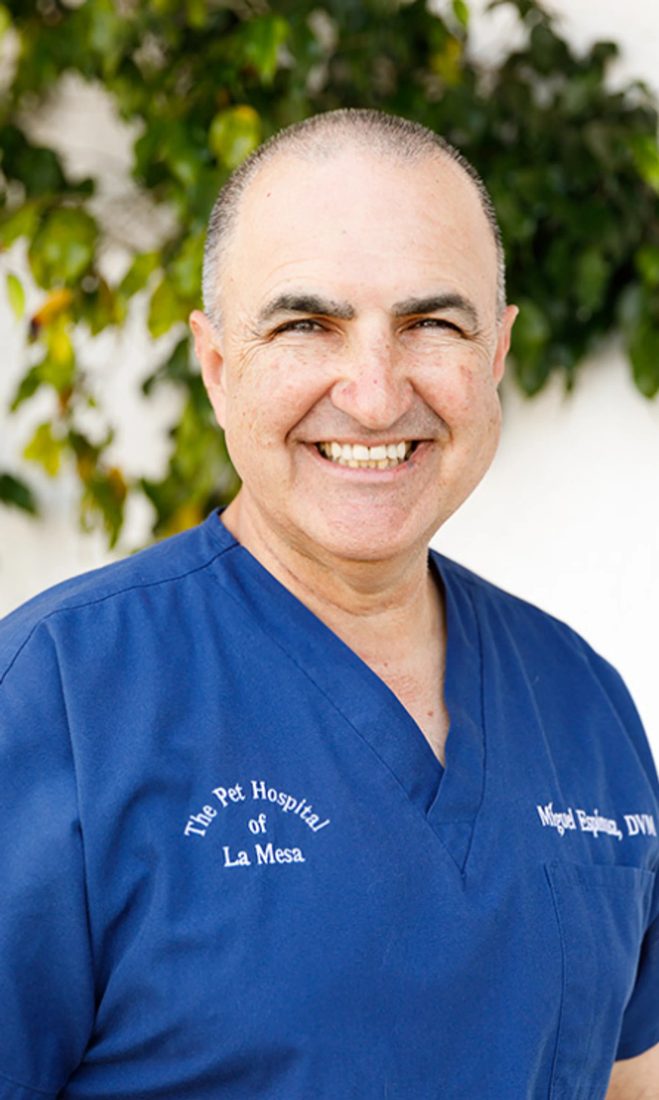
What Happens During a Deworming Visit in San Diego
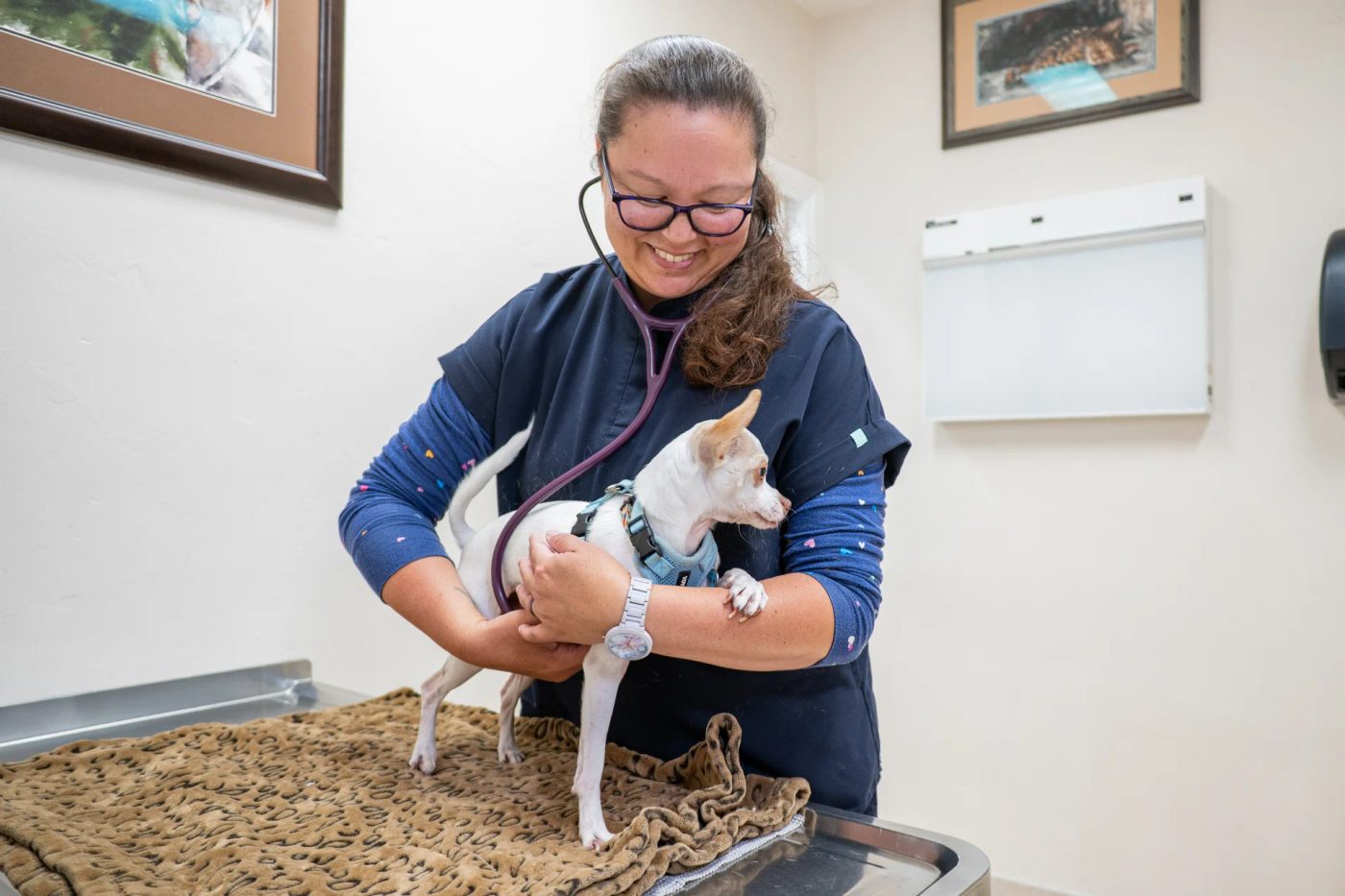
When you bring your pet to a San Diego veterinarian for deworming, you can expect a straightforward, stress‑free process. Here’s what typically happens during a visit:
- Fecal Exam – Your vet will ask for a fresh stool sample to check for worm eggs under a microscope. This identifies the type of parasite and guides treatment.
- Physical Exam – The veterinarian will assess your pet’s overall health, looking for signs of parasite infection such as a dull coat, weight loss, or a pot‑bellied appearance.
- Medication Administration – Depending on the parasite, your pet may receive an oral dewormer (liquid or tablet) or an injection. The vet will explain the dose and any side effects.
- Follow‑Up Testing – For severe infestations, a second fecal exam may be recommended 2–4 weeks later to ensure all worms are gone. Some pets need a second dose of medication.
- Prevention Plan – Your vet will discuss ongoing prevention, including monthly heartworm prevention that also controls some intestinal worms, and tips to reduce re‑exposure at parks like Lake Murray or Eucalyptus County Park.
A video walkthrough of a deworming visit is available in our clinic lobby. Feel free to ask our staff for more details during your appointment.
Top San Diego Veterinarians for Deworming
Several veterinary clinics in the San Diego area offer deworming services. The table below compares a few options to help you choose. All listed clinics are established providers; call ahead to confirm current hours and services.
| Clinic | Location | Hours | Phone | Notes |
|---|---|---|---|---|
| The Pet Hospital of La Mesa | 5336 Jackson Dr, La Mesa, CA 91942 | Mon–Fri 8 AM–6 PM, Sat 9 AM–3 PM | (619) 469-0138 | Serving La Mesa since 1960; free first exam for new clients; open Saturdays |
| Tierrasanta Veterinary Hospital | Tierrasanta area | Call for hours | 619-584-8418 | Offers parasite prevention and fecal exams |
| ABC Veterinary Hospital Pacific Beach | Pacific Beach | Call for hours | 619-225-5838 | Family-owned, fear-free certified |
| San Diego Bay Animal Hospital | Near downtown San Diego | Call for hours | 619-349-1534 | Full-service clinic |
| Kensington Veterinary Hospital | Kensington area | Call for hours | Call | Established practice |
| Governor Animal Clinic | Near Grossmont Center | Call for hours | Call | Convenient to La Mesa |
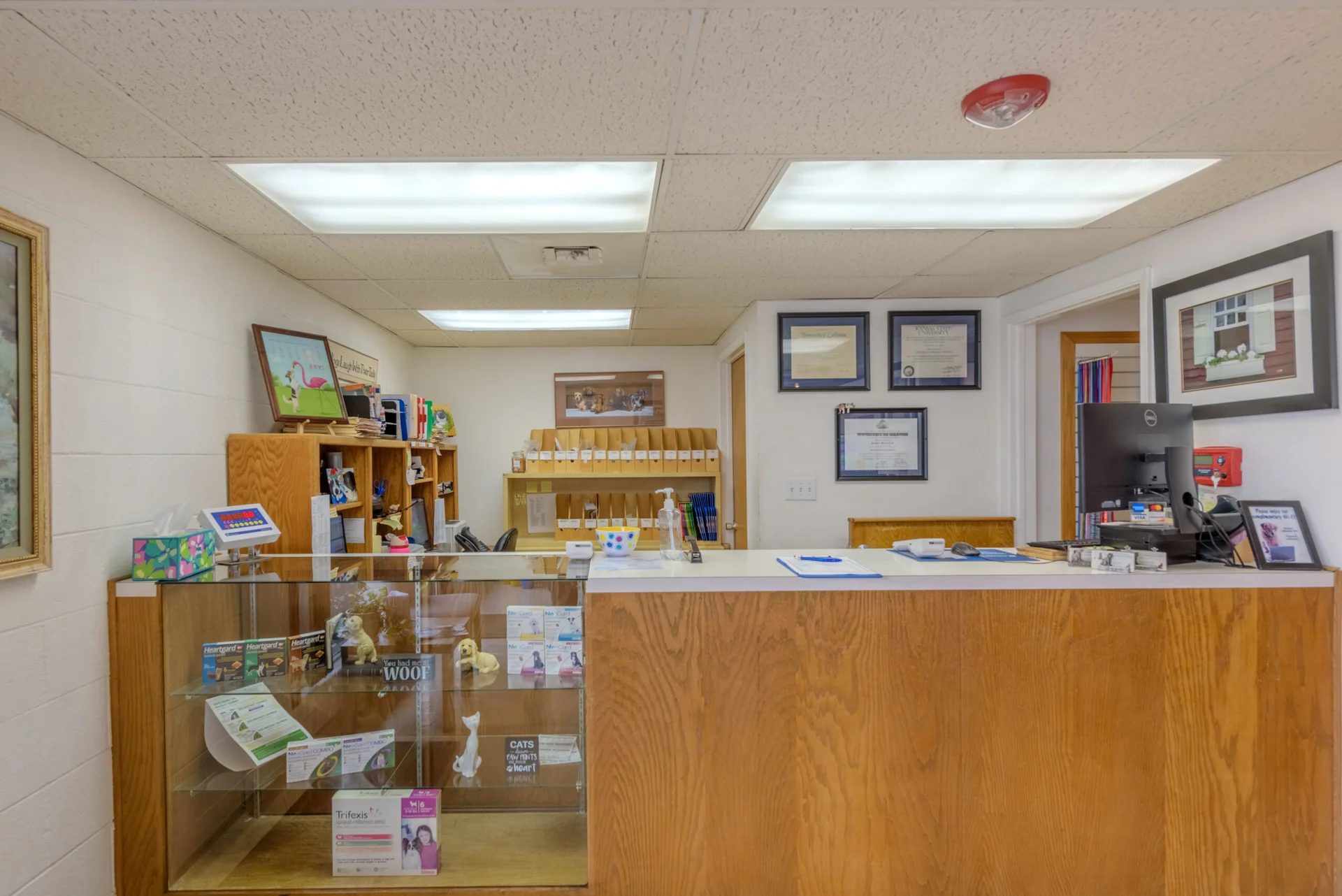
For residents of La Mesa, Spring Valley, Lemon Grove, El Cajon, or Santee, The Pet Hospital of La Mesa offers a convenient location near Grossmont Transit Center and Grossmont Center. We are open on Saturdays for your convenience. Call us at (619) 469-0138 to schedule your pet’s deworming appointment.
Deworming San Diego Cost: What to Expect
The cost of deworming in San Diego varies based on several factors. The table below outlines typical components; always ask your vet for a detailed quote before treatment.
| Factor | Why It Matters | Typical Range |
|---|---|---|
| Office visit / exam fee | Required for any veterinary service | $40–$80 (varies by clinic) |
| Fecal exam | Identifies specific parasites; may be included in wellness plans | $25–$50 |
| Deworming medication | Depends on pet weight and type of worm; oral vs. injectable | $15–$60 per dose |
| Follow-up fecal test | Sometimes needed to confirm clearance | $25–$50 |
At The Pet Hospital of La Mesa, we strive to keep deworming affordable. New clients receive a free first exam (terms apply). For a precise estimate, call us at (619) 469-0138.
Veterinarian
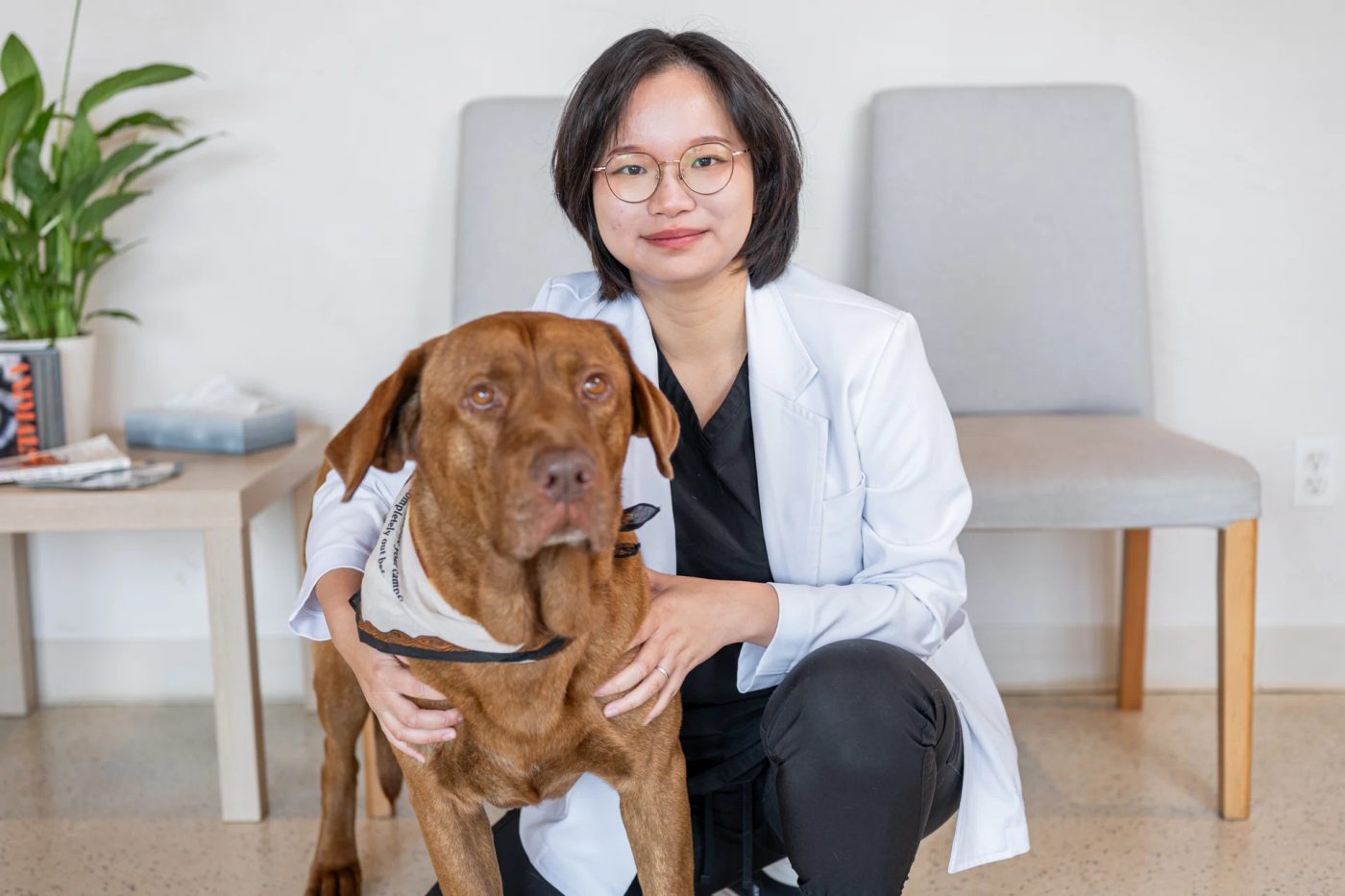
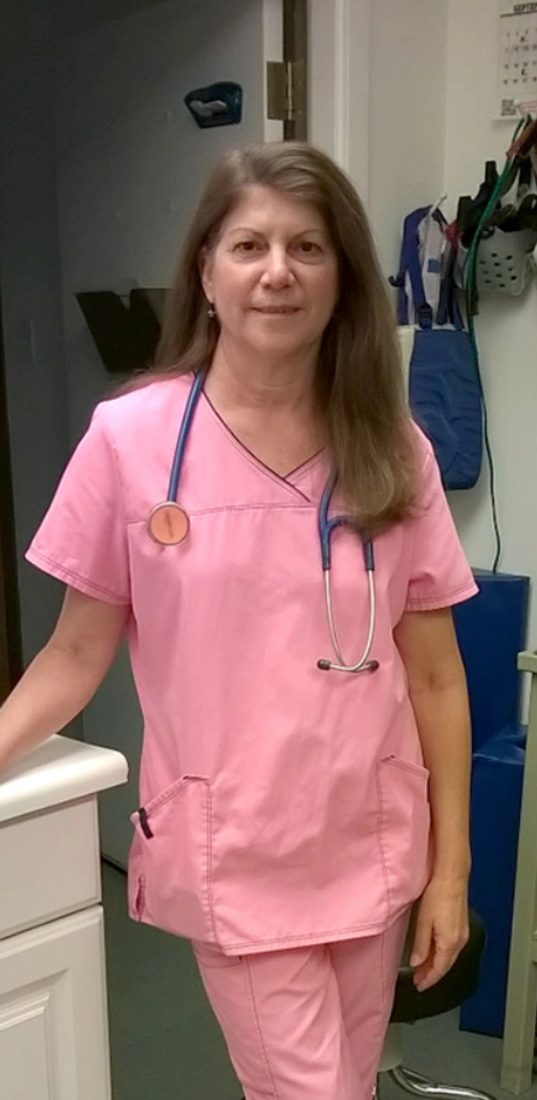
A veterinarian is a medical professional trained to diagnose and treat illnesses, injuries, and health conditions in animals. They perform physical exams, run diagnostic tests like fecal exams and blood work, prescribe medications, and perform surgeries. Veterinarians also play a key role in preventive care, including vaccination, nutrition counseling, and parasite control such as deworming. They help ensure the health of pets, livestock, and wildlife, and they protect public health by monitoring zoonotic diseases that can spread from animals to people. Whether you need a routine wellness exam or treatment for a sick pet, a veterinarian is your partner in keeping your animal healthy and happy. For your pet’s deworming needs, a trusted veterinarian can provide the right diagnosis and treatment to keep your pet—and your family—safe.
Directions to our veterinarian in La Mesa from Grossmont College
Start at Grossmont College and head to The Pet Hospital of La Mesa at 5336 Jackson Dr, La Mesa, CA 91942.
Free and Low-Cost Deworming Options in San Diego
If you need affordable deworming for your pet, several resources are available in San Diego. Follow these steps to find low-cost or free options:
- Check the San Diego Humane Society – Their clinic at 1501 Imperial Avenue, San Diego, CA 92101 offers low-cost veterinary services, including deworming. Call (619) 299-7012 for eligibility and appointments.
- Look for mobile deworming clinics – Some organizations run mobile clinics that visit neighborhoods like La Mesa, Spring Valley, and El Cajon. Search online for “mobile deworming San Diego” or ask your local shelter.
- Visit a PetSmart in San Diego Sports Arena – Some PetSmart locations host low-cost vaccination and deworming events. Check the schedule at the Sports Arena location for upcoming dates.
- Ask your regular vet about payment plans – Many clinics, including The Pet Hospital of La Mesa, offer payment options or discounts for multiple pets. We also provide a free first exam for new clients, which can reduce your upfront cost.
Remember, untreated worms can lead to serious health issues. Even if you choose a low-cost option, ensure the dewormer is appropriate for your pet’s specific parasite type.
Book Your Pet's Deworming Appointment in San Diego
Ready to deworm your pet? Scheduling an appointment at The Pet Hospital of La Mesa is easy. Here’s how:
- Call us – Dial (619) 469-0138 to speak with our team. We’ll ask about your pet’s age, weight, and any symptoms, and help you choose a convenient time.
- Use our online form – Visit our website and fill out the appointment request form. We’ll confirm your booking within one business day.
- Visit our clinic – We are located at 5336 Jackson Dr, La Mesa, CA 91942, near Grossmont Center and Grossmont Transit Center. Our hours are Mon–Fri 8 AM–6 PM, Sat 9 AM–3 PM. Bring a fresh stool sample if possible.
We accept walk-ins for urgent cases, but appointments ensure shorter wait times. If you’re coming from El Cajon, Santee, or Lemon Grove, we’re just a short drive away. Book today and give your pet the protection they deserve.
Also asked as
- Where can I get my pet dewormed in San Diego?
- How much does deworming cost in San Diego?
- What is the deworming process for dogs and cats?
Frequently asked questions
Can I buy dewormer over the counter in San Diego?
Yes, over-the-counter dewormers are available at pet stores and online. However, they may not treat all types of worms. A fecal exam at a vet clinic is recommended to ensure the correct medication is used.
Do indoor cats need deworming?
Yes, indoor cats can still get worms from fleas, insects, or contaminated items brought inside. Regular deworming and fecal exams are advised, even for indoor-only pets.
How long does deworming take to work?
Most deworming medications start working within hours to days. You may see dead worms in your pet’s stool. A follow-up fecal test can confirm the infection is cleared.
Are there side effects of deworming medication?
Some pets may experience mild vomiting, diarrhea, or lethargy after deworming. These symptoms usually resolve quickly. If they persist, contact your veterinarian.