
Do Dogs Feel Abandoned When Boarded? What Vets Say
Dogs do not feel abandoned in the human sense, but they can experience separation distress and stress when boarded, especially if unfamiliar with the environment. With proper preparation and a caring facility, most dogs adjust within a day or two and bounce back quickly after returning home.
Do Dogs Feel Abandoned When Boarded? What the Science Says
It's a question that tugs at every pet owner's heart: do dogs feel abandoned when boarded? The short answer is that dogs don't experience abandonment the way humans do—they live in the moment and don't hold grudges. However, they can feel separation distress because you, their primary attachment figure, are suddenly gone. Studies show that dogs have a sense of time passing, but it's not the same as ours; they may miss you but don't dwell on how long you've been away.
When you board your dog, they may initially show signs of stress—whining, pacing, or refusing to eat—because their routine has changed. This is not the same as feeling abandoned. Cortisol (a stress hormone) levels can rise in a new environment, but most dogs settle within 24 to 48 hours, especially if the boarding facility provides familiar scents, regular exercise, and gentle care. At The Pet Hospital of La Mesa, we've seen thousands of dogs come through our boarding program since 1960, and the vast majority adapt quickly and happily.
Common issues after your pet returns home include post-boarding fatigue (they may sleep more than usual), mild clinginess, or a brief period of being



How to Prepare Your Dog for Boarding: 5 Steps to Reduce Anxiety
Preparing your dog for boarding can make a world of difference in their comfort and stress levels. Here are five actionable steps to ease the transition.
- Start with short visits. Bring your dog to the boarding facility for a brief tour or a one-hour daycare visit before their stay. This desensitization helps them associate the new place with positive experiences, not just your departure.
- Pack familiar items. Send a favorite toy, a worn t-shirt that smells like you, or their own bed. Familiar scents are powerful comfort signals that can lower cortisol and reduce anxiety.
- Maintain routine as much as possible. Keep feeding times, exercise, and potty breaks consistent before boarding. A predictable schedule helps your dog feel secure even in a new environment.
- Practice short separations at home. Leave your dog alone for gradually longer periods (30 minutes, then an hour, then two) to build their confidence that you always return. Use positive reinforcement—a treat or a favorite chew—when they stay calm.
- Consider a trial overnight. If your dog has never been boarded, try a single night first. Many facilities, including ours at [[pet-boarding-mount-helix|Pet Boarding Mount Helix]], offer trial stays so you can see how your dog adjusts before a longer trip.
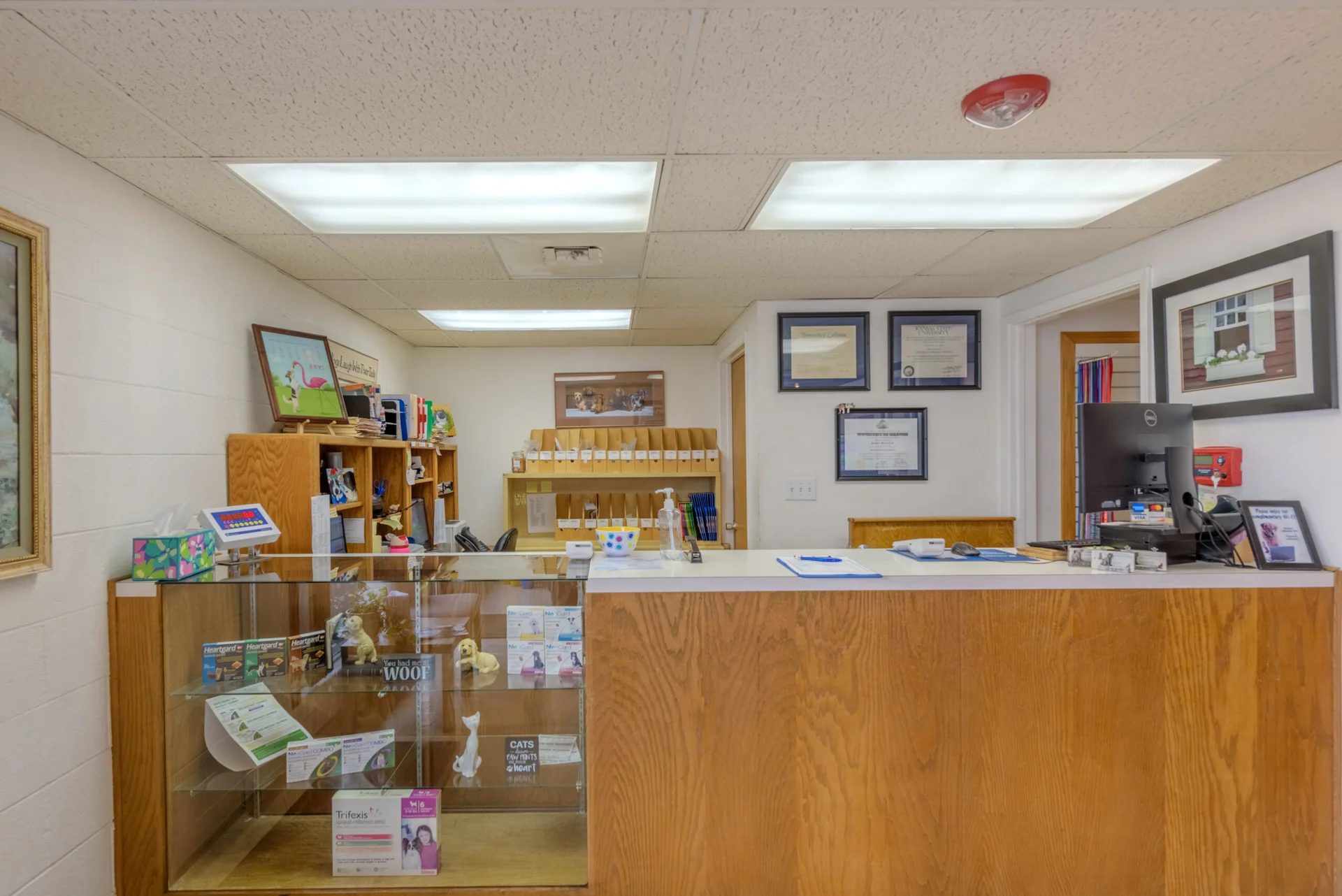
We're open Monday through Friday 8 AM to 6 PM and Saturday 9 AM to 3 PM at 5336 Jackson Dr, La Mesa, CA 91942. Call us at (619) 469-0138 to schedule a tour or ask about our free first exam for new clients (terms apply).
Is It Normal for Dogs to Be Sad or Tired After Boarding?
Yes, it's completely normal for dogs to be a little out of sorts after boarding. Just like people after a trip, they may need a day or two to decompress. Here's what to expect and when to worry.
- Post-boarding fatigue. Your dog may sleep 12–16 hours a day for the first 48 hours. This is normal—boarding is stimulating, and they're catching up on rest. If lethargy lasts longer than 3 days, call your vet.
- Clinginess or neediness. Many dogs stick close to you after boarding, seeking reassurance. This usually fades within a week. Offer gentle attention but avoid over-coddling, which can reinforce anxiety.
- Temporary loss of appetite. Some dogs skip a meal or two when they return home. Offer their regular food in a quiet spot. If they refuse food for more than 24 hours, consult a veterinarian.
- Mild diarrhea or loose stool. Stress and diet changes can upset digestion. It usually resolves in 24–48 hours. If it persists or contains blood, seek veterinary care.
- Increased thirst or urination. Some dogs drink more after boarding due to mild dehydration or stress. Provide fresh water and monitor. If excessive thirst continues, a checkup is wise.
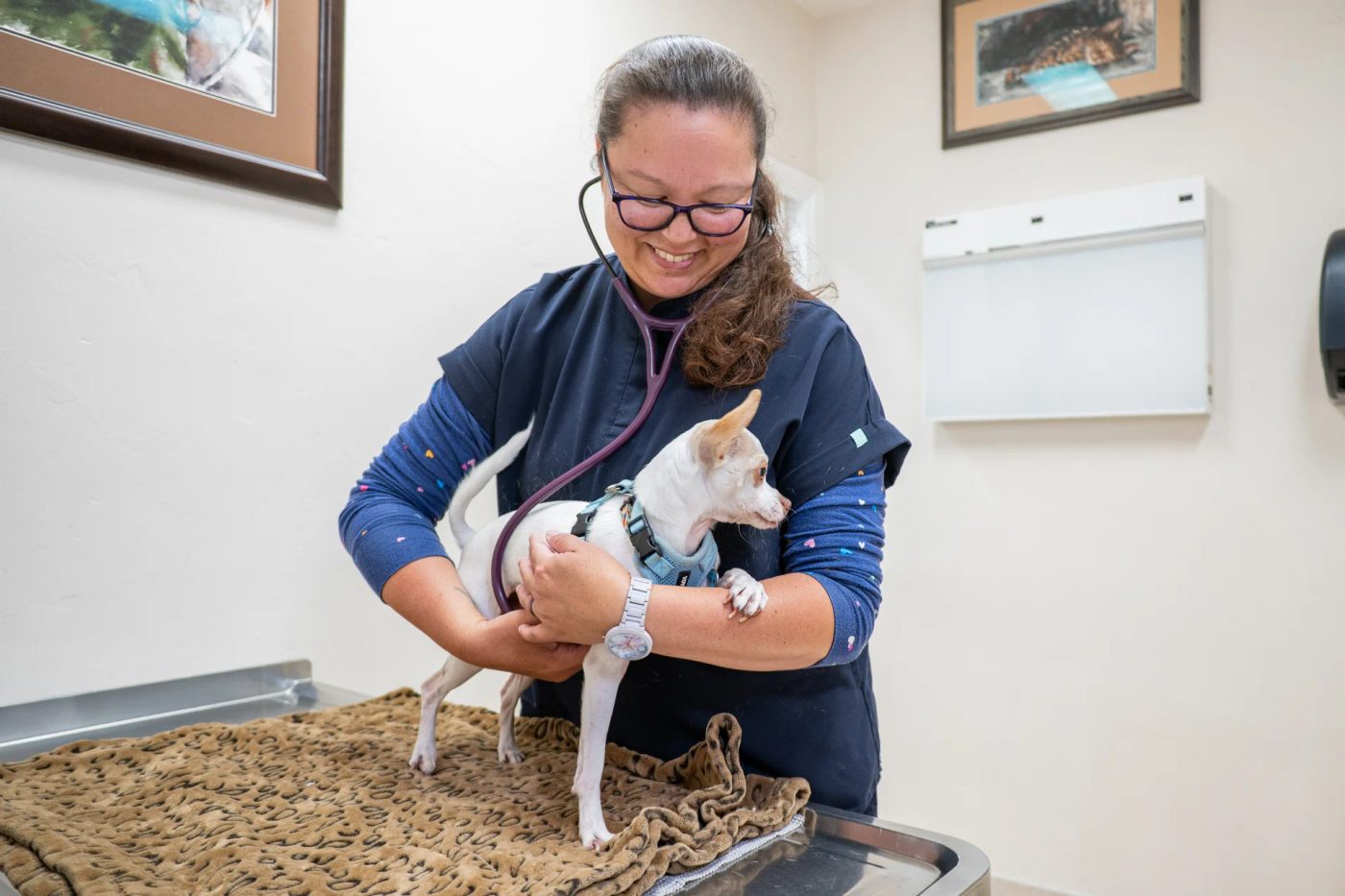
If any symptom lasts beyond 3–5 days, or if your dog seems depressed, withdrawn, or aggressive, schedule a visit with your veterinarian. At [[the-pet-hospital-of-la-mesa|The Pet Hospital of La Mesa]], we offer wellness exams to rule out medical causes and provide guidance on helping your dog readjust.
Signs Your Dog Is Stressed at Boarding — and What to Watch For
A good fit if…
- Your dog wags their tail, eats well, and interacts with staff within the first day.
- They settle down to rest after initial excitement or nervousness.
- Staff report that your dog is curious, playful, or relaxed during their stay.
Consider another option if…
- Your dog shows persistent kennel stress signs: constant panting, pacing, drooling, or trembling.
- They refuse food or water for more than 24 hours.
- They become withdrawn, hide, or show aggression (growling, snapping) toward staff.
- They injure themselves trying to escape the kennel.
How to decide: Ask the boarding facility for daily updates—photos, videos, or a quick call. Most reputable places, including ours at [[pet-boarding-la-mesa-prices|Pet Boarding La Mesa Prices]], will gladly share how your dog is doing. If you see signs of extreme or prolonged stress, consider alternatives like a pet sitter or a friend's home. Trust your gut—you know your dog best.
Directions to our veterinarian in La Mesa from Rolando Park, San Diego
Start at Rolando Park, San Diego and head to The Pet Hospital of La Mesa at 5336 Jackson Dr, La Mesa, CA 91942.
Boarding a Dog with Separation Anxiety: Is It Safe?
A good fit if…
- Your dog's separation anxiety is mild to moderate and responds well to routine.
- The boarding facility has experience with anxious dogs and offers individualized care.
- You can prepare your dog with gradual introduction visits and familiar items.
Consider another option if…
- Your dog has severe separation anxiety that causes destructive behavior or self-harm.
- They cannot settle even with staff attention and become panicked when left alone in a kennel.
- Your dog has hyper-attachment disorder (extreme distress when separated from you), which may require veterinary behaviorist guidance before boarding.
How to decide: Talk to your veterinarian first. At [[the-pet-hospital-of-la-mesa|The Pet Hospital of La Mesa]], we can assess your dog's anxiety level and recommend whether boarding is appropriate. For severe cases, a pet sitter who stays in your home or a trusted friend may be a better choice. Boarding can be safe for anxious dogs with the right preparation and facility—but it's not one-size-fits-all.
Helping Your Dog Settle Back In After Boarding
Bringing your dog home from boarding is a reunion to celebrate. Here's a simple recovery plan to help them transition smoothly.
- Give them space. Let your dog explore the house and yard at their own pace. Don't overwhelm them with excitement—calm greetings are best.
- Stick to routine. Resume normal feeding, walking, and bedtime schedules immediately. Consistency is the fastest way to help your dog feel secure again.
- Offer quiet activities. A long walk, a puzzle toy, or gentle brushing can help your dog decompress. Avoid high-energy play or new experiences for the first day or two.
- Monitor food and water. Offer small meals initially. If your dog skips a meal, don't panic—but do ensure they're drinking. If they refuse food for more than 24 hours, call your vet.
- Watch for signs of illness. Mild diarrhea or tiredness is normal, but if your dog vomits, has bloody stool, or seems depressed beyond 48 hours, schedule a checkup. We offer wellness exams at [[the-pet-hospital-of-la-mesa|The Pet Hospital of La Mesa]] to make sure everything is okay.
Remember: most dogs bounce back within a day or two. Your love and routine are the best medicine. If you have concerns, we're here at 5336 Jackson Dr, La Mesa, CA 91942—call (619) 469-0138.
Do Dogs Get Used to Boarding Over Time?
Yes, many dogs do get used to boarding with repeated positive experiences. The key is desensitization—gradual exposure that builds confidence. Dogs who board regularly often learn that the facility is a safe, fun place where they receive attention, exercise, and treats. They may even get excited when they recognize the route to the kennel.
However, it's not automatic. Some dogs, especially those with underlying anxiety, may never fully relax in a boarding environment. If your dog remains stressed after several stays, consider alternatives like in-home pet sitting. At [[pet-boarding-mount-helix|Pet Boarding Mount Helix]], we've seen many dogs transform from nervous first-timers to happy repeat guests with patience and positive reinforcement. The general rule: if your dog shows improvement with each stay, boarding is likely a good fit. If stress worsens, it's time to rethink.
Will My Dog Forget Me While Boarded?
No, your dog will not forget you. Dogs have excellent long-term memory for people they bond with, especially their primary caregiver. Even after weeks apart, your dog will recognize your scent, voice, and face. The bond you've built is far stronger than a few days at a boarding facility.
While your dog may form a temporary attachment to boarding staff—they're the ones providing food, walks, and affection—this doesn't replace their connection to you. Think of it like a child at summer camp: they have fun with counselors but are thrilled to see their parents at pickup. Your dog's excitement when you return is proof that your bond remains intact. So rest assured: boarding is a brief interlude, not a replacement for your relationship.
Sources
Also asked as
- Will my dog be sad when I board them?
- Do dogs miss their owners when in kennels?
- Is it traumatic for dogs to be boarded?
Frequently asked questions
Are dogs aware of how long they are left alone?
Dogs have a sense of time passing but not in hours or days like humans. They can tell if you've been gone longer than usual based on changes in your scent fading or their own hunger and bathroom needs. However, they don't count days—they live in the present, which is why they're so happy when you return.
Do dogs ever feel abandoned?
Dogs can feel distressed or confused when left alone in a new place, but they don't experience abandonment as a complex human emotion. They may show signs of separation anxiety—whining, pacing, or loss of appetite—but these are stress responses, not feelings of being forsaken. With time and positive experiences, most dogs adjust.
Are dogs sad when you board them?
Some dogs may appear sad or withdrawn initially because their routine has changed and they miss your presence. This is usually temporary. After a day or two, most dogs engage with staff and other dogs, eat well, and settle in. Returning home, they quickly bounce back to their normal selves.
What not to do with dog separation anxiety?
Avoid making a big fuss when leaving or returning, as this can heighten your dog's anxiety. Don't punish your dog for anxious behaviors like barking or chewing—this increases stress. Also, avoid leaving your dog alone for long periods without gradual training. Instead, practice short departures and use positive reinforcement to build confidence.
What is hyper-attachment disorder in dogs?
Hyper-attachment disorder is an extreme form of separation anxiety where a dog cannot tolerate being away from their owner even for a few minutes. Signs include frantic panting, drooling, destructive behavior, and self-injury when separated. This condition requires professional help from a veterinarian or a veterinary behaviorist before considering boarding.