
Why Are Veterinarian Bills So Expensive?
Veterinarian bills are expensive due to advanced medical equipment, rising pharmaceutical costs, higher salaries for skilled staff, and increased demand from pandemic-era pet adoptions. Inflation and private equity ownership also play a role, but independent clinics like ours focus on transparent, fair pricing.
Why Are Veterinarian Bills So Expensive? The Real Cost Drivers
When you see a high vet bill, it's natural to wonder where the money goes. The truth is, modern veterinary care has become vastly more sophisticated—and expensive—over the past two decades. Here's what drives the cost.
| Cost Driver | Why It Matters | Typical Range (varies) |
|---|---|---|
| Diagnostic imaging (MRI, ultrasound, digital X-ray) | Equipment can cost $50,000–$200,000; requires trained technicians to operate and interpret. | $150–$500 per scan |
| In-house lab work (blood tests, urinalysis, fecal) | Quick results for accurate diagnosis; reagents and machines are costly. | $50–$200 per panel |
| Pharmaceuticals and anesthesia | Many drugs are human-grade and have risen in price due to supply chain issues. | $20–$150 per medication |
| Veterinary technician shortage | Skilled techs are in high demand; salaries have increased to retain them. | $30–$50 per hour (staff cost) |
| Real estate and overhead | Rent, utilities, insurance, and licensing in areas like La Mesa add to the bill. | 20–40% of clinic expenses |
| Emergency care readiness | 24/7 availability means staffing and equipment are always on standby. | $100–$200 surcharge for after-hours |
At The Pet Hospital of La Mesa, we believe in transparent pricing. We'll always explain what each charge covers and why it's necessary for your pet's health. Our team has been serving La Mesa since 1960, and we're committed to fair, honest care.
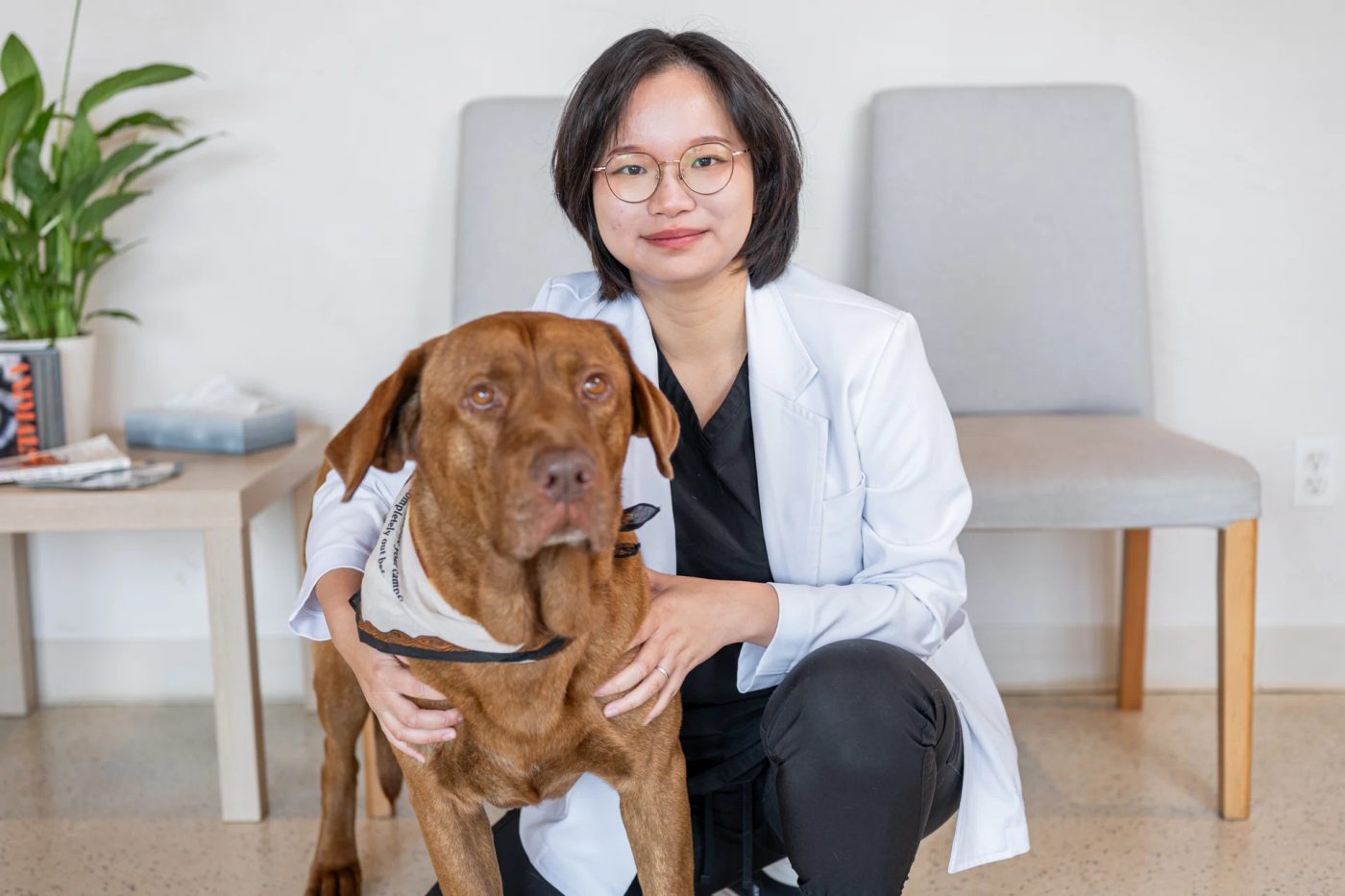
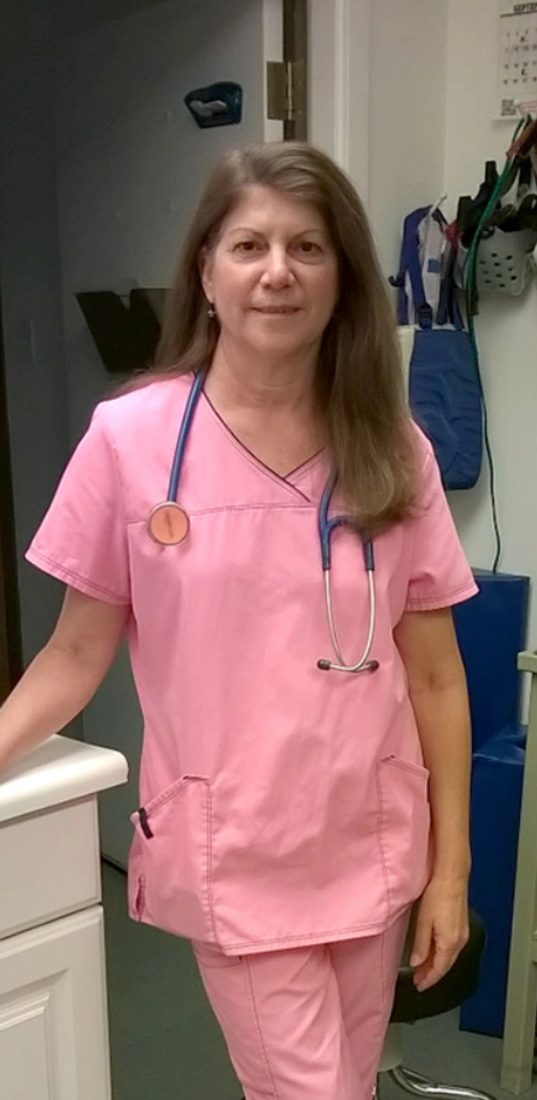
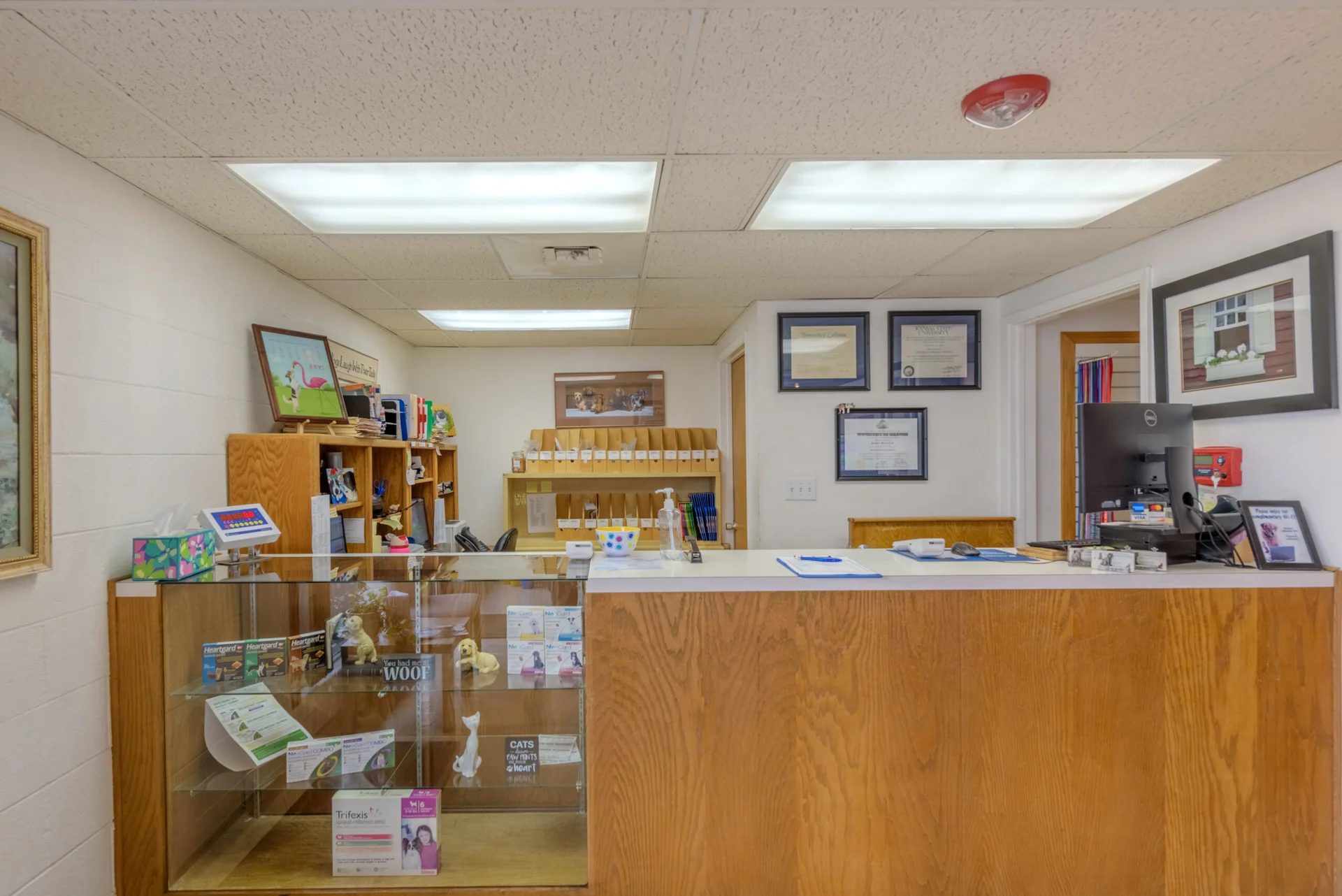

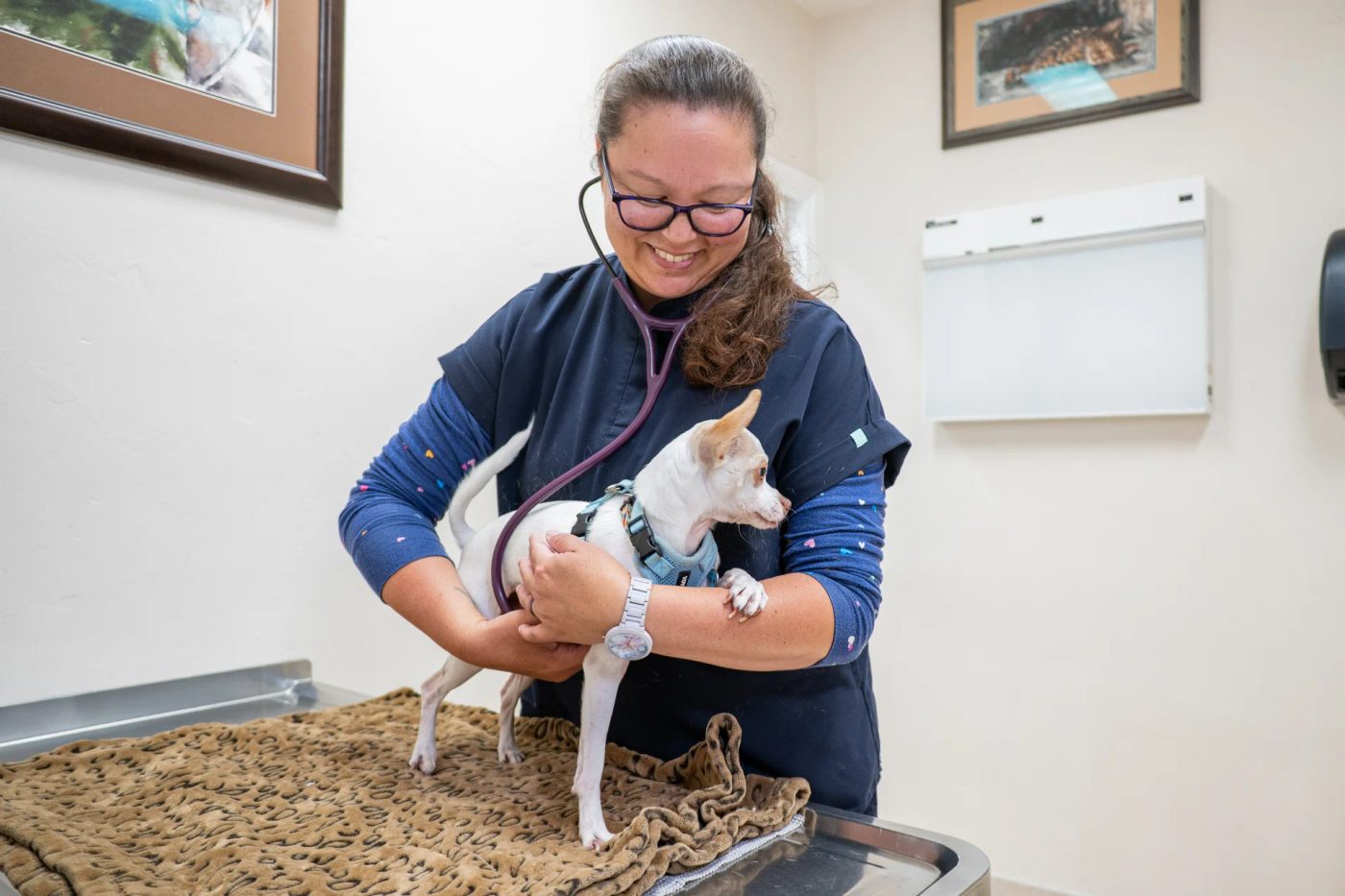
Do Corporate Vet Chains and Private Equity Make Bills Higher?
Many pet owners wonder if the rise of corporate-owned clinics—like VCA Animal Hospitals—is driving up prices. Research suggests that private equity ownership often leads to higher fees, as profit targets are set by investors rather than local vets. Here's how independent clinics compare.
| Factor | Corporate/Private Equity Clinics | Independent Clinics (like ours) |
|---|---|---|
| Pricing transparency | Often standardized across locations; may include hidden fees. | Itemized estimates; open to discussion. |
| Treatment protocols | May push more diagnostics or procedures to meet revenue goals. | Tailored to your pet's actual needs. |
| Staff turnover | Higher turnover due to corporate pressure. | Stable team—our lead vet has been here since 1999. |
| Local decision-making | Limited; decisions come from regional managers. | We set our own prices and policies. |
| Client loyalty focus | Often less personal. | Over 375 5-star reviews from neighbors in La Mesa, Spring Valley, and El Cajon. |
If you're concerned about corporate influence, ask your vet directly: "Who owns this practice?" At The Pet Hospital of La Mesa, we're proudly independent—and we answer to you, not shareholders.
How to Afford Vet Bills: 5 Ways to Lower Your Costs
You don't have to choose between your pet's health and your budget. Here are practical steps to make vet care more affordable.
- Start with preventive care. Regular wellness exams, vaccinations, and parasite prevention catch problems early—saving you from costly emergency visits later. Our free first exam for new clients (terms apply) is a great start.
- Ask about payment plans. Many clinics, including ours, offer options like CareCredit or in-house payment plans. Just ask—we're here to help.
- Compare prices for routine items. For things like deworming or vaccinations, call ahead. Our veterinary price list is available on request.
- Consider pet insurance. Insurance can cover 70–90% of unexpected costs. Look for plans that cover accidents, illnesses, and even wellness care.
- Take advantage of free resources. We offer nutrition counseling and can recommend low-cost options for emergencies. Check our San Diego affordable veterinary care guide for more ideas.
Is Your Vet Overcharging? How to Tell If Prices Are Fair
It's reasonable to wonder if your vet is charging too much. The AVMA notes that most clinics operate on thin margins—but some do inflate prices. Use this checklist to evaluate your bill.
| Red Flag | What to Look For | What to Do |
|---|---|---|
| Unexplained line items | Charges for "miscellaneous" or "admin fees" without description. | Ask for a detailed breakdown. |
| Pressure to add services | Recommended tests or treatments that seem unnecessary. | Get a second opinion or ask if it can wait. |
| No price estimate before treatment | You only see the total after the visit. | Request an estimate upfront. |
| Prices significantly above local average | Compare with other clinics in La Mesa, El Cajon, or San Diego. | Call around for quotes on routine items. |
| Lack of transparency about ownership | If they won't say who owns the practice, it may be corporate-owned. | Check our guide to identifying private equity ownership. |
At The Pet Hospital of La Mesa, we provide itemized estimates before any procedure. If you ever feel unsure, we welcome your questions.
Directions to our veterinarian in La Mesa from Hubert H. Bancroft Ranch House
Start at Hubert H. Bancroft Ranch House and head to The Pet Hospital of La Mesa at 5336 Jackson Dr, La Mesa, CA 91942.
Why Are Vet Bills Rising Faster Than Inflation?
You're not imagining it—vet costs have outpaced general inflation for years. According to the AVMA, several factors are driving this trend:
| Factor | How It Drives Costs |
|---|---|
| Pandemic-era pet adoption surge | More pets mean more demand for vet services, stretching capacity. |
| Advances in treatments | Pets now receive chemotherapy, dialysis, and advanced surgeries that didn't exist a decade ago. |
| High price of pharmaceuticals | Many pet medications are human-grade and subject to the same price hikes. |
| Veterinary technician shortage | Fewer trained staff means higher wages, passed on to clients. |
| Inflation across the board | Rent, utilities, and equipment costs have all risen sharply. |
While we can't control inflation, we can promise honest pricing. The Pet Hospital of La Mesa has been a stable, affordable choice for over 65 years.
What Happens If You Can't Afford a Vet Bill? Your Options
If you're facing a bill you can't pay, don't delay care—there are options. Here's what to do.
- Talk to your vet immediately. We can often adjust treatment plans, offer payment plans, or prioritize the most critical care first.
- Apply for CareCredit or Scratchpay. These healthcare credit cards offer deferred interest plans for vet bills. Approval takes minutes.
- Ask about charity programs. Some nonprofits offer grants for emergency vet care. Check our free vet services for low income page for local resources.
- Consider a wellness plan. If your pet needs ongoing care, a monthly plan can spread costs and often includes discounts on exams and vaccines.
- Use our free first exam. New clients at The Pet Hospital of La Mesa get a free first exam (terms apply)—a great way to start care without upfront cost.
We never want cost to stand between your pet and necessary treatment. Call us at (619) 469-0138 to discuss your situation.
What Is the Average Vet Bill? Typical Costs for Checkups and Procedures
Knowing typical costs helps you benchmark your bill. Keep in mind that prices vary widely by location, clinic type, and your pet's needs. Here are general ranges for common services in the La Mesa area.
| Service | Typical Cost Range (varies) |
|---|---|
| Wellness exam (check-up) | $50–$100 |
| Vaccinations (core series) | $20–$40 each |
| Dental cleaning | $300–$700 |
| Spay/neuter | $200–$600 |
| Deworming | $20–$50 per treatment |
| Emergency visit (exam + basic care) | $150–$300 |
For a precise estimate, call our team at (619) 469-0138. We're happy to provide a quote for your pet's specific needs.
Why Are Vet Bills So Expensive in America?
Veterinary care in the United States often costs more than in other countries due to several unique factors. Here is a breakdown of the main drivers.
| Factor | Why It Matters | Typical Range (General) |
|---|---|---|
| Advanced medical technology | U.S. clinics invest in digital X‑rays, ultrasound, in‑house labs, and surgical equipment comparable to human hospitals. | Varies widely; equipment costs are passed to clients. |
| Higher operating costs | Rent, utilities, liability insurance, and staff wages are higher in the U.S., especially in California. | Varies by region; ask your clinic for a quote. |
| Regulatory and licensing fees | State and federal requirements for veterinary practice add compliance costs. | Varies; included in overhead. |
| Specialized training and board certification | Many U.S. vets pursue advanced specialties (surgery, oncology, cardiology), raising the cost of care. | Varies; specialist consults cost more than general exams. |
| Pharmaceutical and supply costs | Medications, vaccines, and medical supplies are priced higher in the U.S. market. | Varies; ask for an itemized estimate. |
| Limited government subsidies | Unlike some countries, U.S. pet care is almost entirely privately funded with minimal public support. | Not applicable. |
These factors combine to make U.S. veterinary bills higher than in many other nations. For a personalized estimate, contact our team at The Pet Hospital of La Mesa.
Sources
Also asked as
- Why are vet check-ups so expensive?
- Why is veterinary care becoming increasingly expensive?
- Why are vet bills rising faster than inflation?
Frequently asked questions
What happens if I can't afford a vet bill?
Talk to your vet immediately. Many clinics, including ours, offer payment plans, CareCredit, or can adjust treatment plans. You can also ask about charity programs or low-cost clinics. Never delay care—there are options.
Why are vets suddenly so expensive?
The surge in pet adoptions during the pandemic, combined with inflation and rising costs for equipment, pharmaceuticals, and staff, has driven up prices. Corporate ownership can also play a role.
Is there a way to get cheaper vet bills?
Yes. Preventive care, pet insurance, payment plans, and comparing prices for routine services can all help. Some clinics, like ours, offer a free first exam for new clients (terms apply).
What is the average veterinary bill?
A routine wellness exam typically costs $50–$100. Dental cleanings range $300–$700, and emergency visits can be $150–$300. Costs vary by location and your pet's needs.
Are vets overcharging?
Most vets operate on thin margins, but some clinics—especially corporate-owned ones—may inflate prices. Always ask for an itemized estimate and compare with other local clinics if you're unsure.